# Cluster Raspberry y Orange pi
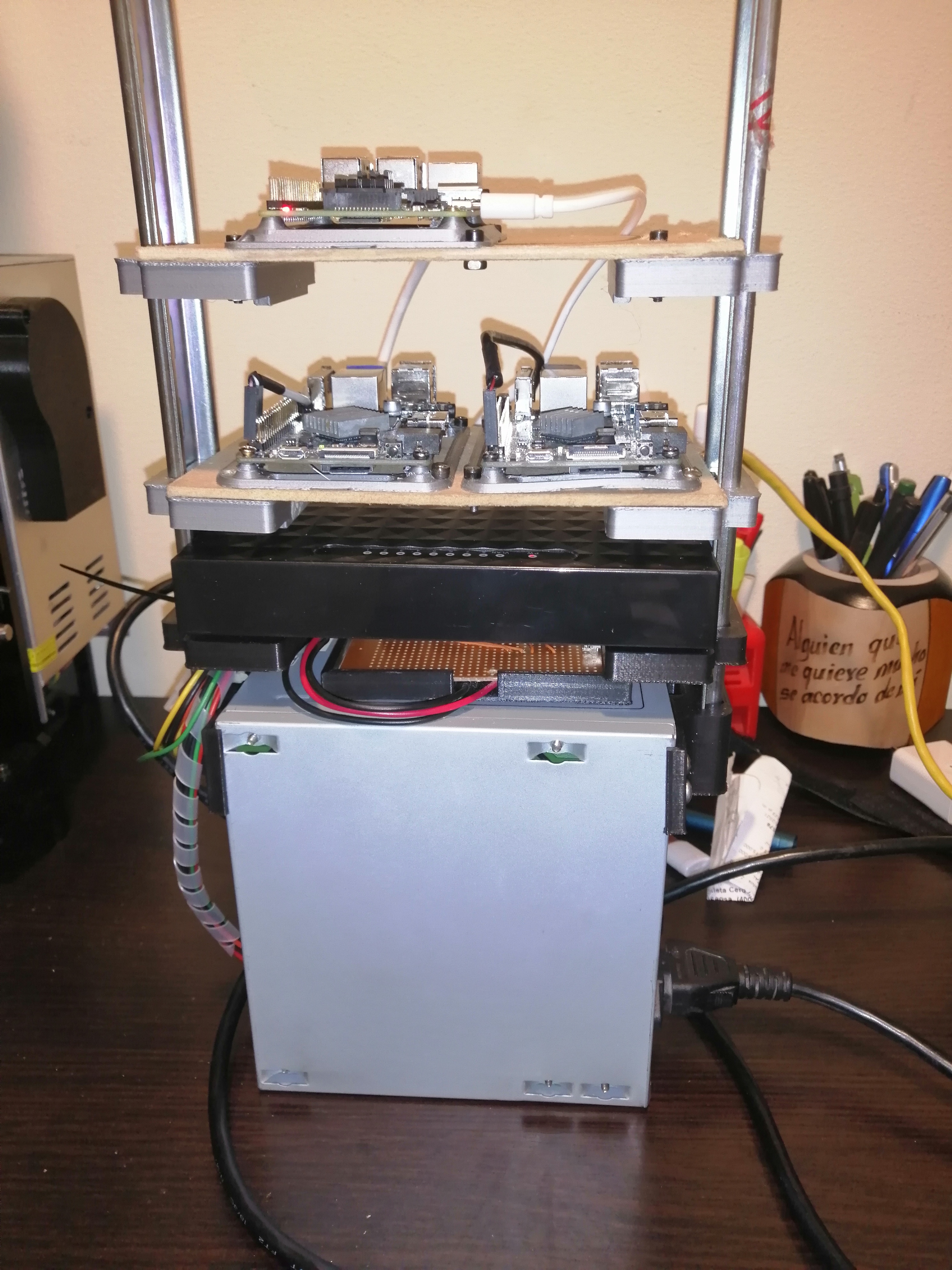
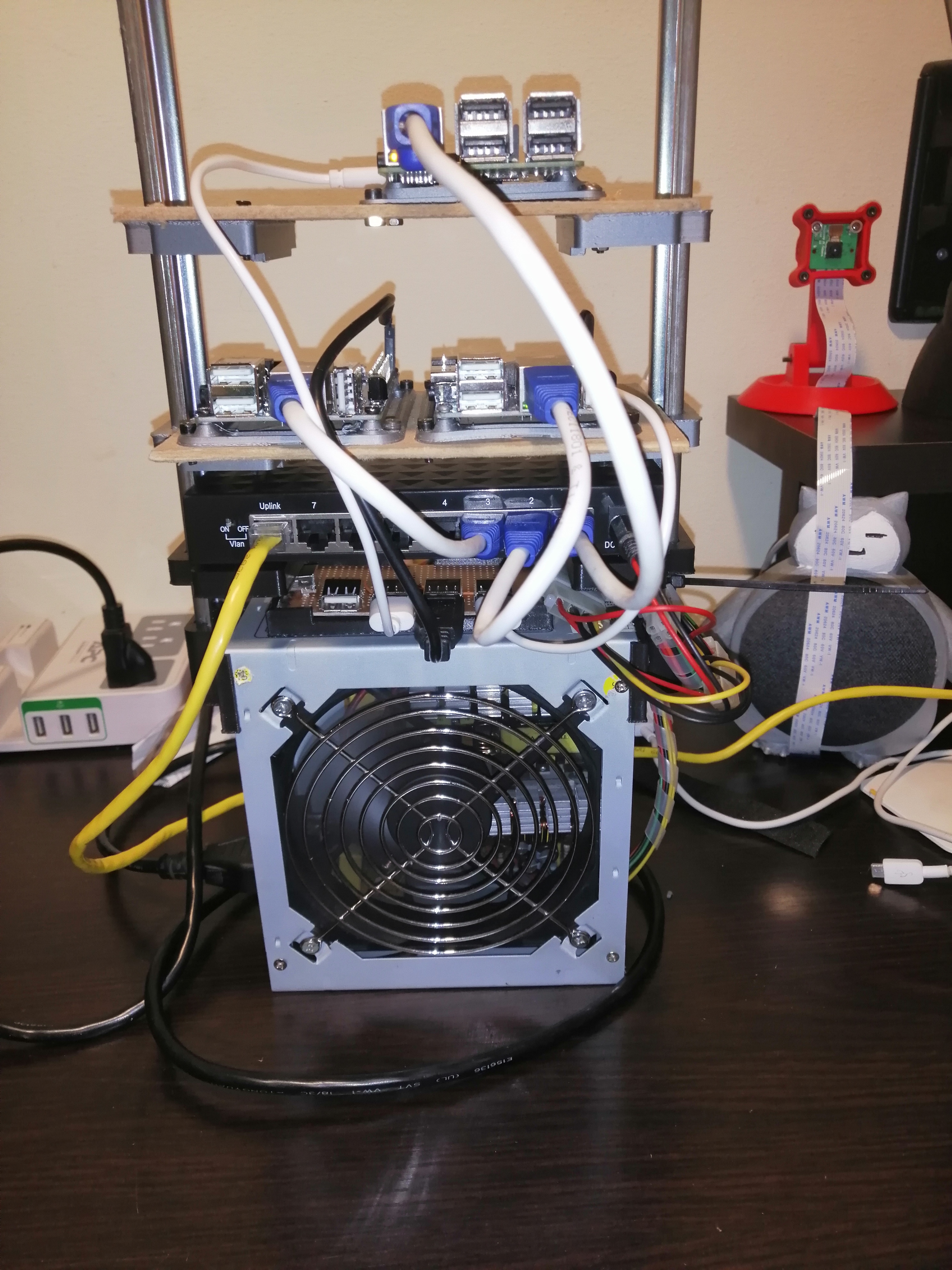
Pruebas de creación de un grupo de clusters con raspberry pi y orange pi
## ToDo
- [x] Diseño Soporte.
- [ ] Instalación Hardware y cableado
- [x] Instalación Sistema operativo
- [x] Configuración de red
- [x] Pruebas de red
- [ ] Backup de sistema operativo con dd
- [ ] Instalacion Hadoop
- [ ] Pruebas Hadoop
- [x] Instalacion Spark
- [x] Pruebas de Spark
## Maquinas
Maquina | Descripcion | usuario | ip | host |
:------------ | :-------------| :------------- | :-------------| :-------------
mdc_mq1 | RaspberryPi 3| mdchaparror | 192.168.1.105 | mdc_mq1
mdc_mq2 | RaspberryPi 2| mdchaparror | 192.168.1.171 | cluster_slave2
mdc_mq3 | OrangePi PC| mdchaparror | 192.168.1.172 | cluster_master
mdc_mq4 | OrangePi PC| mdchaparror | 192.168.1.173 | cluster_slave1
sudo nano /etc/hosts
```
192.168.1.172 clustermaster
192.168.1.173 cluster_slave1
192.168.1.171 cluster_slave2
```
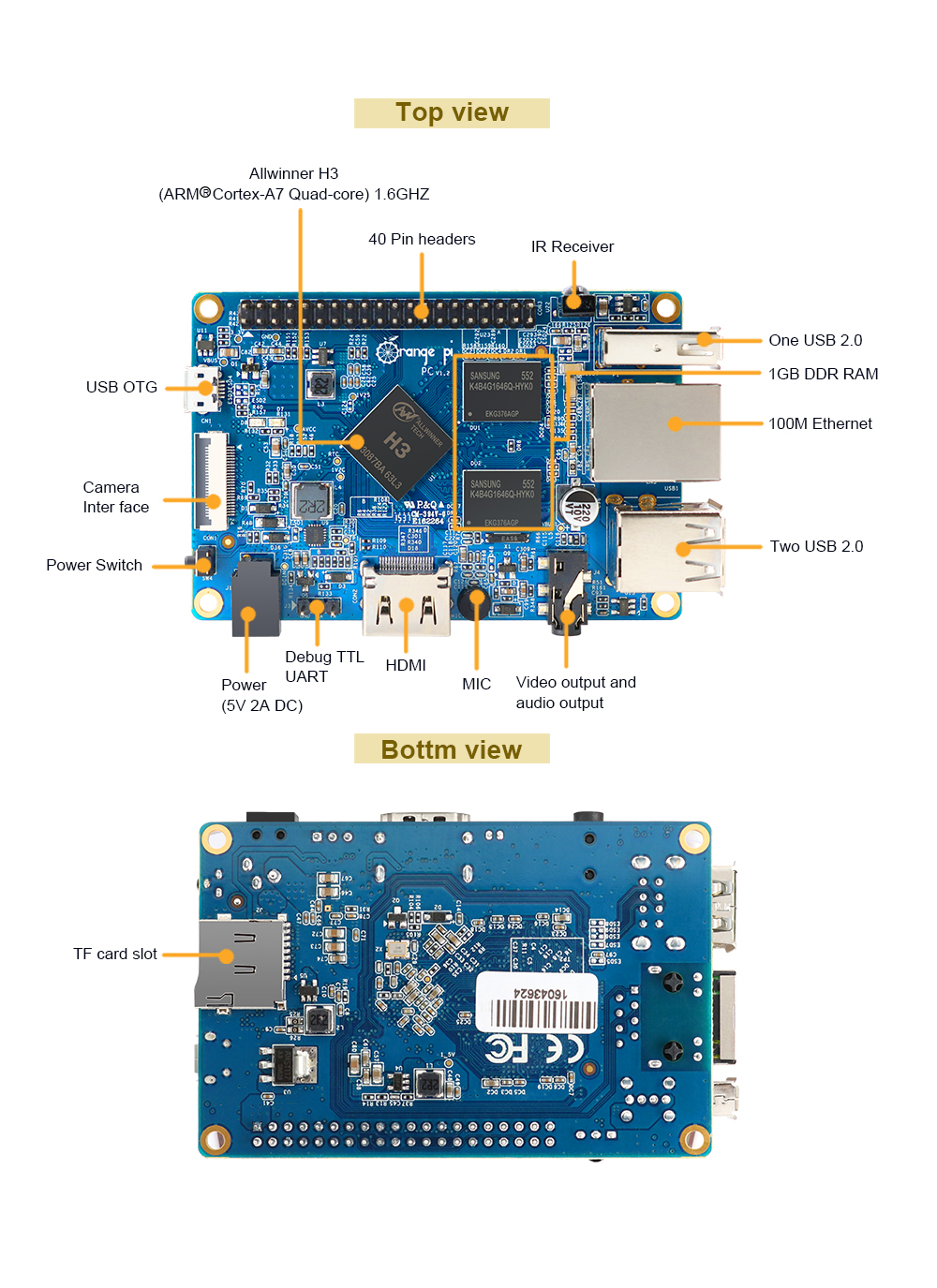
### Especificación OrangePi PC
Hardware specification | Orange Pi PC
:------------ | :-------------
CPU | H3 Quad-core Cortex-A7 H.265/HEVC 4K
GPU | + Mali400MP2 GPU @600MHz + Supports OpenGL ES 2.0
Memory (SDRAM) | 1GB DDR3 (shared with GPU)
Onboard Storage | TF card (Max. 32GB) / MMC card slot
Onboard Network | 10/100M Ethernet RJ45
Video Input | A CSI input connector Camera: - Supports 8-bit YUV422 CMOS sensor interface
- Supports CCIR656 protocol for NTSC and PAL
- Supports SM pixel camera sensor
- Supports video capture solution up to 1080p@30fps
Audio Input | MIC
Video Outputs | - Supports HDMI output with HDCPS
- Supports HDMI CEC
- Supports HDMI 30 function
- Integrated CVBS
- Supports simultaneous output of HDMI and CVBS
Audio Output | 3.5 mm Jack and HDMI
Power Source | DC input can supply power, but USB OTG input don’t supply power
USB 2.0 Ports | Three USB 2.0 HOST, one USB 2.0 OTG
Buttons | Power Button(SW4)
Low-level peripherals | 40 Pins Header
GPIO(1x3) pin | UART, ground.
LED | Power led & Status led
Key | IR input, POWER
Supported OS | Android Ubuntu, Debian Image
Interface definition |
Product size | 85 mm × 55mm
Weight | 38g
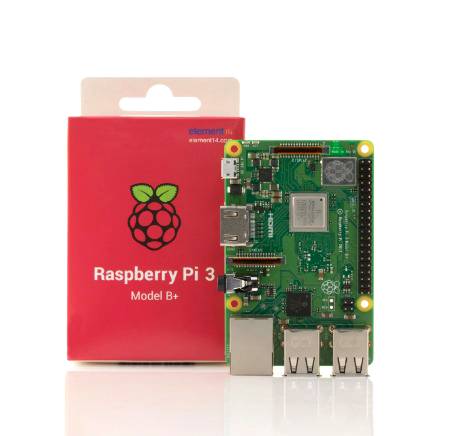
### Especificación RaspberryPI 3 modelo B
+ Chipset Broadcom BCM2837 a 1,2 GHz ARM Cortex-A53 de 64 bits y cuatro núcleos
+ LAN inalámbrica 802.11 b/g/n
+ Bluetooth 4.1 (Classic y Low Energy)
+ Coprocesador multimedia de doble núcleo Videocore IV
+ Memoria LPDDR2 de 1 GB
+ Compatible con todas las últimas distribuciones de ARM GNU/Linux y Windows 10 IoT
+ Conector micro USB para fuente de alimentación de 2,5 A
+ 1 puerto Ethernet 10/100
+ 1 conector de vídeo/audio HDMI
+ 1 conector de vídeo/audio RCA
+ 1 conector de cámara CSI
+ 4 x puertos USB 2.0
+ 40 pines GPIO
+ Antena de chip
+ Conector de pantalla DSI
+ Dimensiones: 85 x 56 x 17 mm
+
### Especificación RaspberryPI 2 modelo B
+ A 900MHz quad-core ARM Cortex-A7 CPU
+ 1GB RAM
+ 100 Base Ethernet
+ 4 USB ports
+ 40 GPIO pins
+ Full HDMI port
+ Combined 3.5mm audio jack and composite video
+ Camera interface (CSI)
+ Display interface (DSI)
+ VideoCore IV 3D graphics core
## Fotos
### Pinout
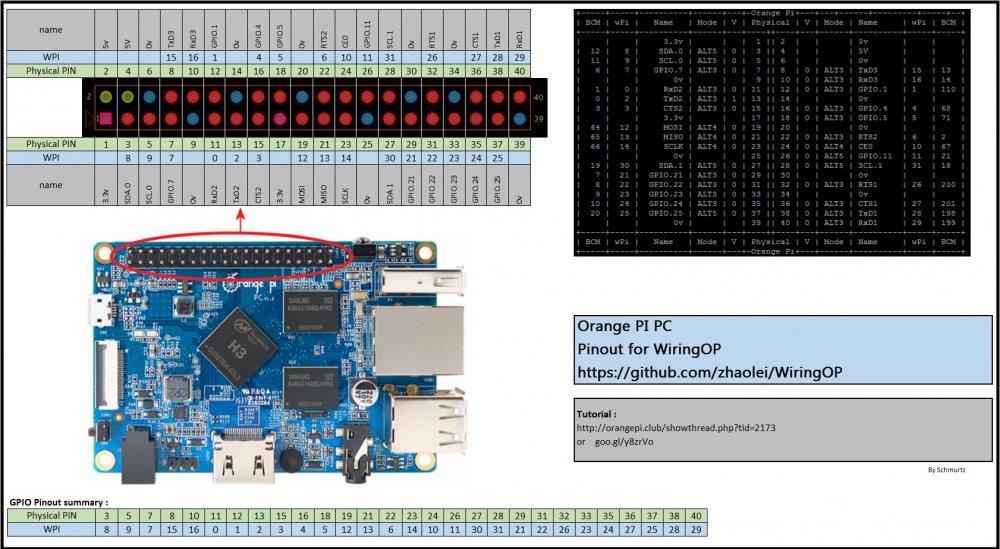
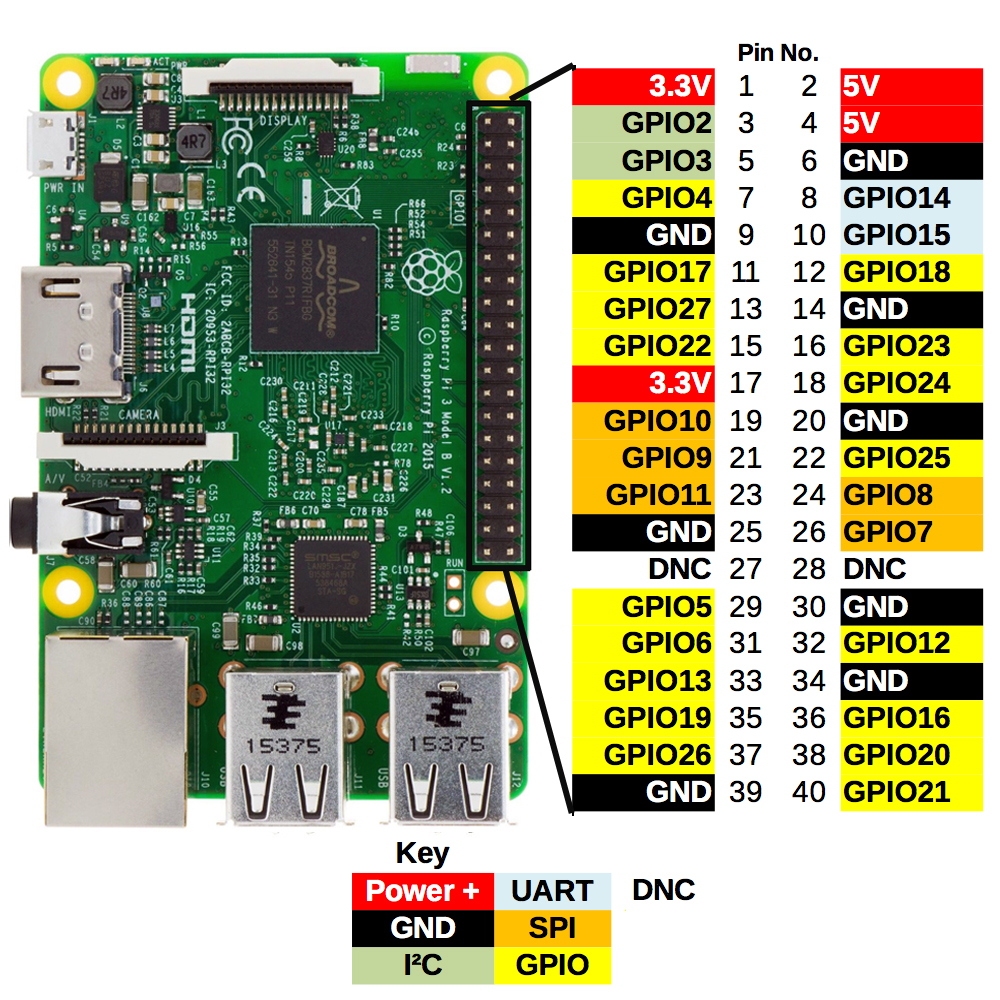
## Referencias
[http://www.orangepi.org/orangepipc/](http://www.orangepi.org/orangepipc/)
[https://www.armbian.com/orange-pi-pc/](https://www.armbian.com/orange-pi-pc/)
[http://bailiwick.io/2015/07/07/create-your-own-apache-spark-cluster-using-raspberry-pi-2/](http://bailiwick.io/2015/07/07/create-your-own-apache-spark-cluster-using-raspberry-pi-2/)